
How It Works
Heal Infotech begins each engagement by understanding the requirement, defining the scope, preparing implementation, and agreeing on communication and reporting. This page walks through how it works, step by step.
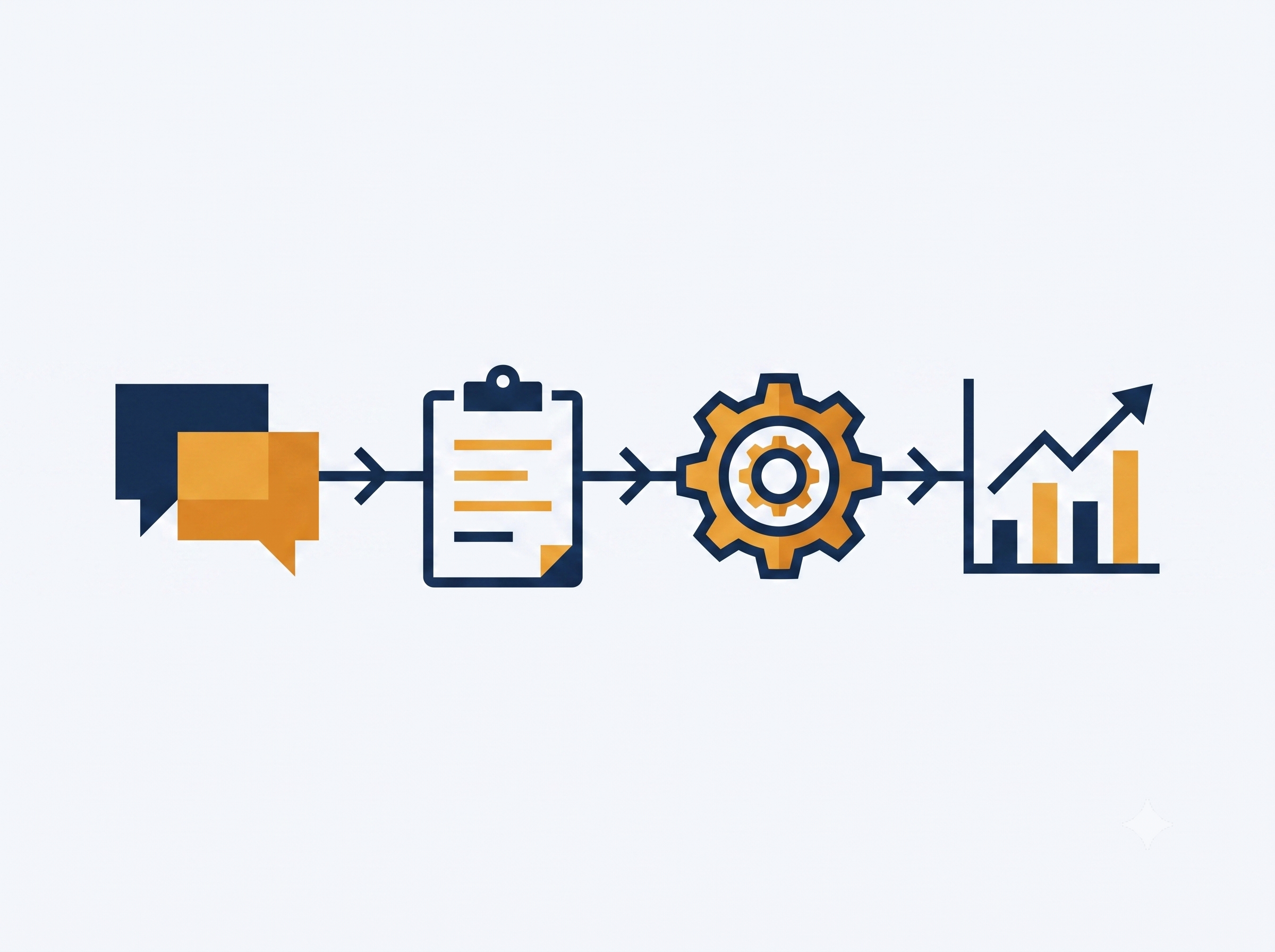
How It Works: An Overview of the Process
Every engagement follows the same general shape: we talk through what you need, agree on exactly what’s included, prepare to deliver it, and then keep working and communicating according to what was agreed.
The specifics vary depending on the service, but the structure below is how we approach every new engagement, regardless of which service category it falls under.
For general guidance on structuring vendor relationships, the U.S. Small Business Administration provides resources on managing outsourced work.
The Four-Step Engagement Process
STEP 1
Requirement Discussion
We start with an initial discussion to understand what you need. This is a discovery conversation, not a guarantee that every requested service can be provided.
- The business requirement
- The function or task needing support
- Workload or expected volume
- Communication channels
- Current tools or systems
- Timeline expectations
- Known access, security, or regulatory constraints
STEP 2
Scope and Engagement Planning
Once we understand the requirement, we define exactly what the engagement covers. Work does not begin before the scope is reviewed and accepted by both sides.
- Tasks and responsibilities
- Included and excluded work
- Required skills
- Work schedule
- Communication methods
- Reporting expectations
- Escalation process
- Engagement structure
- Access requirements
- Security or compliance limitations
STEP 3
Team Briefing and Implementation
After the scope is agreed, we prepare to deliver it. We do not promise immediate resource availability, and we do not have access to your systems or sensitive information until it’s been agreed and provided as part of this stage.
- Relevant delivery resources are briefed
- Client instructions and workflows are reviewed
- Required tools and access are discussed
- Communication contacts are confirmed
- Reporting and escalation methods are prepared
- Work begins according to the agreed plan
STEP 4
Reporting and Ongoing Coordination
Once work is underway, it continues through the communication and reporting structure agreed during scoping. We don’t promise a fixed reporting frequency unless it’s been specifically agreed for your engagement.
- Agreed communication channels
- Regular work updates
- Reporting per the agreed format
- Feedback and issue escalation
- Review meetings where applicable
- Operational adjustments within the approved scope
The Process Varies by Service
The exact engagement process varies by service and project scope. A customer support engagement, a technical support assignment, a web development project, and a digital marketing engagement may require different tools, access, implementation steps, and reporting methods.
What Businesses Should Prepare
Now that you know how it works, having the following ready before the first conversation helps things move faster, though none of it is required to get started — we’ll work through it together during discovery.
- A general description of the required work
- Approximate volume or frequency
- Current processes or instructions, if documented
- Tools and platforms currently in use
- Desired schedule or timeline expectations
- Access and security requirements
- Reporting expectations
- A main point of contact on your side
- A known budget range, when available
- Any regulatory or sensitive-data considerations
Finding the Right Service
If you’re not sure which service category fits, these general starting points may help:
- General operational requirements often relate to BPO Services
- Customer calls often relate to Call Center Services
- Broader customer communication often relates to Customer Support or Chat and Email Support
- Administrative tasks often relate to Data Entry and Back-Office Services
- First-line troubleshooting often relates to Technical Support
- Website or online-store projects often relate to Web Development or E-commerce Development
- Marketing requirements often relate to Digital Marketing
- Non-clinical healthcare requirements often relate to Healthcare BPO Services
That’s how it works in most cases — if your requirement spans more than one category, that’s normal, and we’ll help identify the right combination during discovery.
How the Engagement Model Is Discussed
Once the scope is clear, we discuss which engagement structure fits best:
Dedicated Resource
An ongoing team or individual assigned to your account.
Hourly Engagement
Work billed by the hour, suited to lighter or variable needs.
Fixed-Scope Project
A defined project with a clear scope and deliverable.
Custom Engagement
A combination of the above, structured around your requirement.
For a full overview of how these structures work, see our Engagement Models page.
Tools, Access and Implementation Requirements
What’s needed to get started depends entirely on the approved scope. This can include:
- Client-provided accounts
- Platform access
- Written instructions
- Workflow documentation
- Communication tools
- Reporting templates
- Security limitations specific to your organization
We don’t assume access to your systems, and we don’t claim compatibility with every platform in advance. What’s required is confirmed during scope planning, specific to your engagement.
Communication and Reporting Approach
Client and Heal Infotech agree on the specifics before work begins, which can include:
- Primary communication channel
- Main points of contact
- Update frequency
- Reporting format
- Issue escalation method
- Review process
This is how it works for communication specifically — these details are set for each engagement individually rather than following one fixed schedule for every client.
Scope Changes and Additional Requirements
Business needs change. Additional tasks, higher volumes, new platforms, changed schedules, or new access requirements may come up after an engagement starts. These aren’t automatically included in the original scope — they go through a short review process:
- The new requirement is communicated
- Operational impact is reviewed
- Updated scope, schedule, or commercial terms are discussed
- The change is implemented only after agreement
Sensitive and Regulated Work
Sensitive, regulated, or restricted requirements require a separate review before any engagement begins. This applies particularly to healthcare-related requests, where our offering remains strictly non-clinical. We do not claim HIPAA compliance, access to protected health information, medical billing, medical coding, claims processing, clinical support, insurance verification, prior authorization, electronic health record management, or licensed healthcare staff.
For healthcare-related inquiries, see our Healthcare BPO Services page.
This section describes how it works for sensitive and regulated requests. It is a general description of our approach, not legal or compliance advice.
Heal Infotech LLC is a Delaware-registered company serving businesses across the United States through an offshore delivery model. Learn more about Heal Infotech.
Related Links
Ready to Discuss Your Requirements?
The first step is a conversation. Tell us what you need, and we’ll walk you through how it works for your specific requirement.